Alcediag
French diagnostics company specializing in precision psychiatry.

Alcediag needed more than generic patient feedback. The team needed to understand how people affected by bipolarity, depression, and their loved ones would interpret a precision psychiatry blood test, what would build trust, and what language could make the offer feel respectful rather than frightening.
A patient-led insight and go-to-market project for a French precision psychiatry diagnostics company.


French diagnostics company specializing in precision psychiatry.
A blood test designed to help differentiate depression from bipolarity.
Qualitative research, personas, patient language, positioning, and go-to-market recommendations.
For a company building a diagnostic test in mental health, the science is only one part of adoption. People need to understand what the test means, what it does not mean, how it relates to their story, and whether the communication feels safe enough to trust.
The message had to acknowledge the sensitivity of diagnosis, identity, stigma, and uncertainty.
A person exploring possible bipolarity, a person already diagnosed, and loved ones do not need the same message.
The work needed to be useful for a company team making practical marketing and adoption decisions.
HopeStage combined lived-experience access with structured marketing thinking, so the work could move from patient voice to decisions the Alcediag team could actually use.
Interviews with people affected by bipolarity and loved ones to understand expectations, fears, vocabulary, and the emotional context around diagnosis.
A questionnaire designed for HopeStage communities and newsletter audiences to quantify attitudes around diagnosis, acceptance, and blood-test perception.
A deeper discussion format to test reactions to value propositions, willingness to pay, and how a test result could affect real life.
Personas for people living with bipolarity, loved ones, and people experiencing depression who may be looking for clearer answers.
Strategic recommendations to explain myEDIT-B with clarity, empathy, and practical relevance.
A path from awareness to interest, consideration, intent, and action, adapted to mental health decision-making.
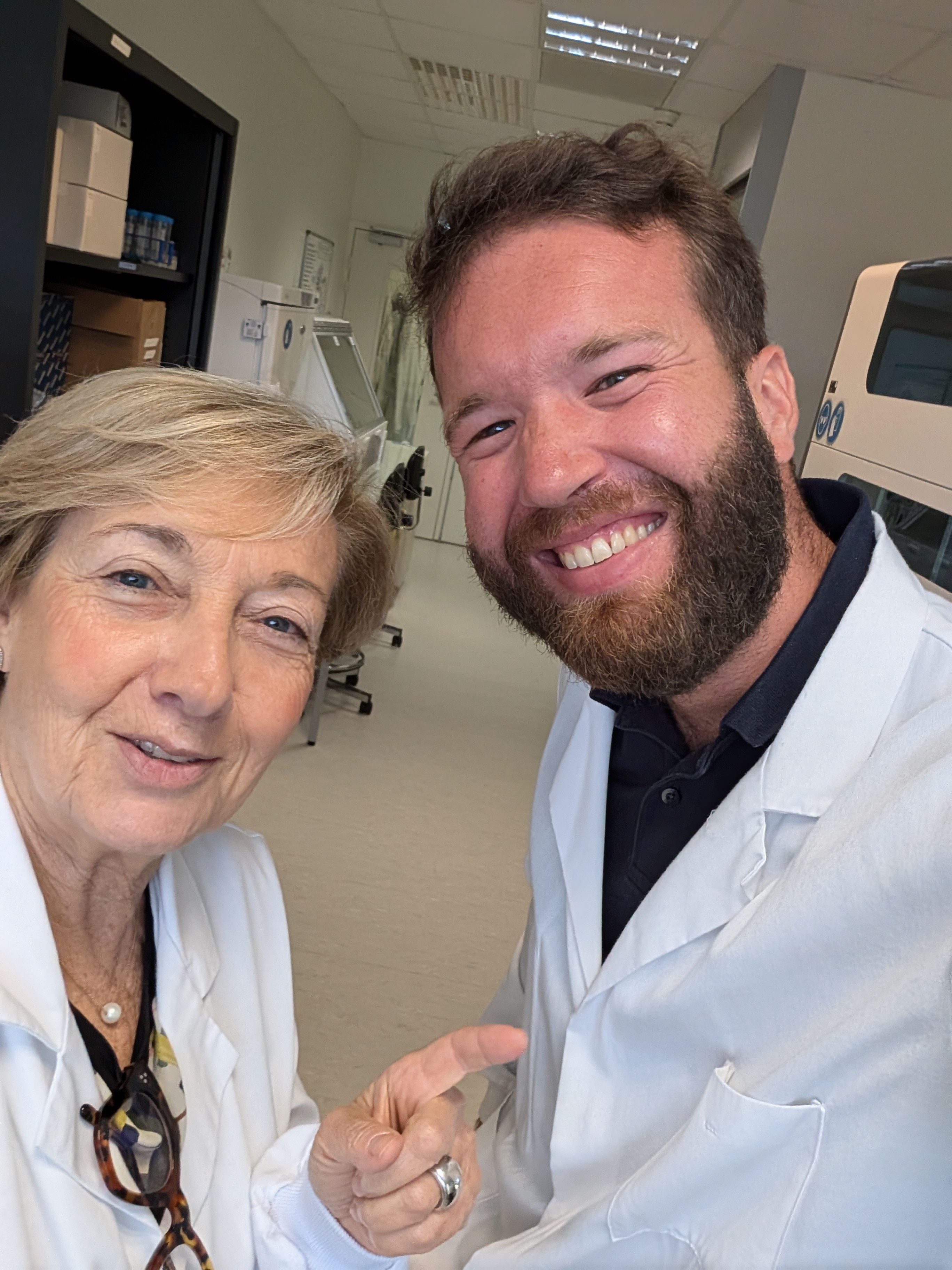
"Clément brought a marketing perspective to what we were doing, which is quite unusual when you talk to patients. It is marketing, but it is very specific because it is a patient in front of us, a person who potentially is suffering. Clément helped us understand the need of the patient and how to address it properly and respectfully."
Alexandra Prieux highlighted the value of connecting company constraints with patient reality in a way that remains practical, specific, and respectful.

The highest-value output was audience segmentation: identifying the main types of people Alcediag could speak to and how to address each group respectfully.
Alcediag could distinguish between people questioning their diagnosis, people already living with bipolarity, and loved ones trying to help.
The positioning avoided treating people as a generic market and instead reflected the emotional reality of diagnosis and uncertainty.
The project translated lived experience into practical marketing, communication, and adoption recommendations.
HopeStage helps mental health diagnostics, biotech, digital health, and research teams understand what patients need to trust before they act.