
What can a second opinion help you clarify?
A second opinion means asking another clinician to assess a question about your diagnosis or treatment. It can be useful when an explanation still does not make sense to you, important parts of your history seem missing, or you want to understand the reasons for a proposed next step.
Rethink's guide explains that a second opinion can agree with the original assessment or reach a different conclusion. It does not guarantee the diagnosis or treatment you hoped for. Give the clinician an accurate account, including information that does not fit your own explanation.
Try finishing this sentence: “By the end of the appointment, I would like to understand…” It might be why a diagnosis was recorded, whether new information changes the assessment, or how a proposed treatment relates to the difficulties that matter most to you.
| Your question | A useful starting point |
|---|---|
| “Can you explain the assessment I already had?” | Ask the clinician who assessed you for a clearer explanation or follow-up discussion. |
| “Could another clinician review this diagnosis or recommendation?” | Ask about a second opinion and specify the question to be reviewed. |
| “I want someone else to manage my ongoing care.” | Use our guide to changing psychiatrists to plan a transfer. |
A second opinion is also different from making a complaint. If your concern is about conduct or the way you were treated, our psychiatrist complaints guide covers that process. You can have a care question and a complaint, but they may need different responses.
How to ask for a second opinion from a psychiatrist
You do not need to turn your experience into medical terminology. A short description of the question, what is missing and how it affects you gives the service something concrete to consider.
Name the question, with one or two examples
Write what you were told and what you want clarified. For example: “I understand that this diagnosis was based on what happened during my hospital admission. I am not sure whether my experiences before that admission were included. Could another clinician review that history?” This is a writing example, not a claim that an admission-based assessment is necessarily wrong.
Ask who is appropriate to assess it
Speak to your current clinician or primary care provider, or contact a service to ask about its intake process. Say whether the question concerns diagnosis, medication or another treatment. Ask about the assessor's qualifications and relevant experience. A clinic may offer general assessments but not the particular review you need.
For an online appointment, ask whether the clinician can assess someone in your location, what records they need and what the service includes. Do not assume an online booking includes prescriptions, a full written report or ongoing care.
Confirm the appointment and the total cost
Before paying, ask: Is a referral required? Does the service accept a request for a second opinion? Is prior authorisation needed? What is included in the fee, and is there a separate charge for the report or a follow-up? Get the answer from both the clinic and the funder where relevant.
AHRQ advises checking whether your health plan covers a second opinion. If money is the obstacle, tell your current service and ask about funded options. Our affordable mental health care guide offers additional routes to explore.
Agree how the opinion will return to your care team
Ask who receives the report, how you can obtain a copy and who will explain the recommendations. Clarify information sharing and consent with the service. If the appointment is a consultation only, arrange a separate conversation with the clinician responsible for your continuing care.
A request you can adapt
“I would like another assessment of [specific diagnosis or treatment question]. I still have questions about [what is unclear], and I would like [relevant experience or record] to be considered. Could you explain the referral options, expected costs and how the findings would be discussed with my current care team?”
If speaking feels difficult, bring this in writing or ask whether a trusted person can help you prepare. You can ask for language or accessibility support when arranging the appointment.
What to bring to a psychiatric second opinion
NIMH recommends preparing questions, medication information and relevant history before a mental health appointment. For a second opinion, add the earlier assessment if available so the clinician can see what was previously concluded. Ask the clinic what it needs and how to send it securely.
- Your main question: a short statement of what you want reviewed, separate from the answer you hope to receive.
- A brief timeline: significant changes in your wellbeing, when they happened and how everyday life was affected. Approximate dates are fine if labelled as approximate.
- Previous records: assessment letters, discharge summaries and relevant test results the clinic requests. Our guide to getting your mental health records explains how to ask for copies.
- Treatment information: medicines, supplements and previous treatments, including benefits, difficulties and changes you actually made. Note uncertainty rather than guessing a dose or date.
- Your priorities: what you most want help with in daily life, plus questions you do not want to leave unasked.
You can make a brief summary first and keep longer notes as a backup. If a record contains something you believe is inaccurate, mark the specific statement and explain your account alongside it. A disagreement about a diagnosis and a factual error in a date or medication list are different questions.
If the question involves depression or bipolarity
NIMH explains that assessing bipolarity involves experiences over time and family history, rather than only how someone feels on the day. A clinician may also consider physical health and the effects of substances or medicines. Bring periods of low mood and other changes in mood, energy, sleep or activity that you think have not been discussed.
Let the clinician decide how that information fits. You do not need to prove a label or match yourself to a checklist. This page cannot determine whether your diagnosis is correct. If your main concern is that treatment has not helped, our guide to reviewing depression treatment addresses that appointment.
If you want someone to attend, agree how they could help: taking notes, remembering questions or adding observations with your permission. Ask the clinic how it handles support people and time alone with the clinician.
How to request a mental health second opinion, by country
These are starting points for an adult seeking a routine assessment. Availability, coverage and referral rules vary. Formal reviews during compulsory treatment can follow separate legal procedures; ask your local patient advocate or legal adviser which route applies.
Go to: United States · United Kingdom · Australia · Canada · New Zealand.
United States: check your plan and the receiving service
AHRQ suggests asking your doctor or health plan about finding another clinician. Explain that you want an opinion on a specific mental health question. Ask the clinic whether it offers that assessment and ask your insurer about network status, referral or authorisation requirements and your share of the cost.
If you are uninsured or the assessment is excluded, ask for a written self-pay estimate and whether a public or community service could consider the request. Do not assume that a plan's second-opinion benefit for one type of medical care covers every psychiatric consultation. Confirm how the report reaches your continuing clinician.
United Kingdom: clarify the local NHS route
In England, the NHS says you can ask your mental health professional, GP, care coordinator or key worker to arrange a second opinion. It is not an automatic legal entitlement. If the request is refused, PALS or an advocate can advise on the next step. An independent specialist opinion may also involve a funding decision.
Ask who handles the request and when you should follow up. If considering a private appointment, check what it includes and how any recommendations would be considered by your NHS team. For Scotland, Wales and Northern Ireland, confirm the route with the relevant local service rather than assuming England's process applies.
Australia: discuss the referral and Medicare eligibility
Healthdirect advises asking your doctor for a referral to another specialist when you want a second opinion. Tell the referring clinician what needs reviewing so the referral explains the purpose of the consultation.
Before booking, ask the receiving psychiatrist whether the referral is suitable, what the assessment and report cost, and whether a Medicare rebate applies to your circumstances. A rebate does not necessarily cover the full fee. Ask who will review the recommendations with you afterwards. If you are receiving compulsory treatment, check the separate rules in your state or territory with an appropriate patient rights service.
Canada: ask about the local consultation pathway
Start with the clinician who knows your care or a primary care provider and ask which local service can consider another assessment. Confirm the receiving clinic's referral requirements, eligibility and any coverage questions under your provincial or territorial system.
For example, CAMH in Toronto requires a physician or nurse practitioner referral for most mental health services. Its Access CAMH service provides information about eligibility and referrals. This is one provider's process, not a nationwide second-opinion service or a guarantee that your request will be accepted. Ask for an appropriate local alternative if the service does not cover your question.
New Zealand: ask how to obtain another provider's opinion
The HDC Code, Right 6, includes the right to honest and accurate answers about how to obtain an opinion from another provider. It also provides for a written summary of information on request. Ask your GP or mental health team which route fits the assessment you need.
Clarify whether the option is publicly funded or private, whether a referral is needed and how the findings will be shared. This right to information does not by itself promise a free appointment, a particular clinician or immediate access. For compulsory treatment questions, seek advice on the separate process relevant to your situation.
Elsewhere: ask your local service, health insurer or recognised patient organisation which assessment routes are available. Confirm the local process before paying for a consultation advertised in another country.
What if two psychiatrists disagree about your diagnosis?
Ask for the reasoning, rather than trying to choose between two labels on your own. Another opinion may confirm the first, suggest a different explanation or leave a question open. Rethink notes that mental health symptoms can change over time and that clinicians may reach different views.
Take the report to the clinician responsible for your ongoing care. These original prompts can help structure the discussion:
- “Did both assessments consider the same history and records?”
- “Which observations support each conclusion, and what remains uncertain?”
- “Is this a confirmed diagnosis, a working explanation or something still being assessed?”
- “Would further information or observation over time help answer the question?”
- “What does this mean for the next decision, and who will discuss the options with me?”
Ask for a written account of what was agreed, who will do what and when you will review it. If no one has taken responsibility for discussing the report, contact the referring service and ask who should arrange that conversation. You should not have to interpret a specialist report or reconcile conflicting medication instructions by yourself.
If the clinicians recommend different medication plans, ask the responsible prescriber to give you clear instructions before making a change. A different diagnosis does not automatically mean that stopping your current treatment is appropriate.
If the request is refused, delayed or too expensive
Ask what is preventing the assessment: a referral issue, service criteria, availability, funding or a clinical decision. Ask for the reason and the next route to try. Keep a brief note of the date, the person you spoke to and the agreed next step. That is more useful for a follow-up than having to reconstruct several calls from memory.
You might ask: “What would be needed for this request to be considered?” or “If your service cannot answer this question, who can advise me about another route?” A patient liaison or advocacy service may help you understand the process. Use the country-specific links above; the same rights and procedures do not apply everywhere.
While waiting, confirm who remains your contact for prescriptions, monitoring and worsening symptoms. NIMH advises working with a health care provider rather than stopping prescribed medication on your own. Contact a clinician promptly about treatment problems; do not save an urgent concern for a future opinion appointment.
Our guide to unavailable psychiatrist appointments covers access barriers. A mental health crisis plan can help record agreed contacts, but does not replace urgent care if you need it now.
Free second-opinion request and appointment worksheet
Use this original HopeStage worksheet to prepare your request, track practical questions and organise the discussion after the assessment. Print it or edit it on your own device. It is a preparation aid, not a diagnostic test or a referral form.
- Before booking
- Your review question, referral route, appointment scope, fees and current care contact.
- Before the assessment
- A brief timeline, records to request and the questions that matter most to you.
- After the opinion
- The explanation given, remaining uncertainty and the person arranging follow-up.
Editable text file · No email required · This page does not send your completed worksheet to HopeStage or a clinician.
Your questions belong in the conversation
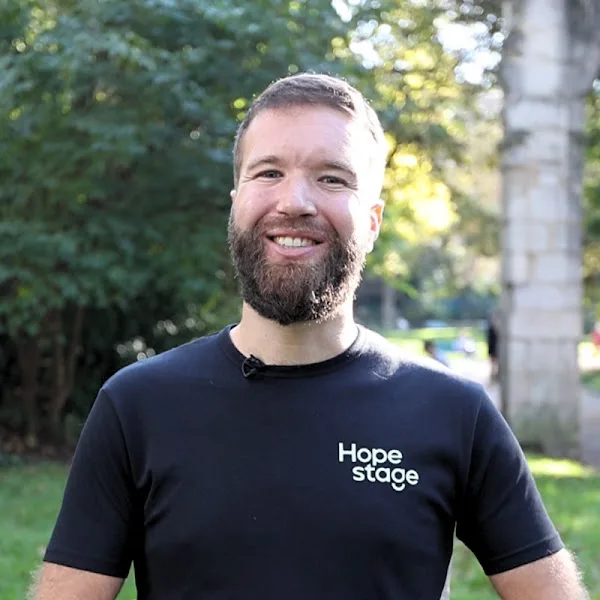
HopeStage creates practical resources to help people share their experiences and ask informed questions about care. Clément brings lived experience to our work in education and community.
Clément Baissat, founder of HopeStage.
Questions about mental health second opinions
Can I get a second opinion on a mental health diagnosis?
You can ask another appropriately qualified clinician to review the diagnosis or treatment question. Access depends on local referral rules, service eligibility, availability and funding. Explain what you want reviewed and check that the appointment includes that assessment. Asking does not guarantee a different diagnosis.
Do I have to change psychiatrists to get a second opinion?
A second opinion may be a consultation while your current clinician continues your care. A transfer is a separate arrangement for ongoing treatment. Confirm who will prescribe, monitor treatment and discuss the new report with you. Do not assume a consultation automatically transfers those responsibilities.
Do I need a referral for a psychiatric second opinion?
Ask the receiving clinic and your insurer or public service before booking. Some services require a referral or prior authorisation; others may accept a direct request. Requirements can differ even within a country. Describe the diagnosis or treatment question so the clinic can tell you whether its service fits.
Can I get a free mental health second opinion?
Some public services or health plans may fund an assessment, but there is no universal free route. Check eligibility, referral requirements, coverage and any fees for the consultation and report before booking. If cost is a barrier, say so to your existing service and ask what funded options it can consider.
What if two psychiatrists give different diagnoses?
Ask for the reasoning behind each assessment, what information each clinician considered and what remains uncertain. Request a discussion of the reports with the clinician responsible for your ongoing care. A different opinion does not, by itself, prove that either clinician made an error or establish which treatment you should take.
Can I ask whether a diagnosis of depression or bipolarity needs reviewing?
Yes. Explain what is unclear and bring a factual history of your experiences over time, including changes you may not have discussed before. Ask what supports the current diagnosis and whether another assessment would be useful. This guide and its worksheet cannot determine your diagnosis.
Should I stop medication before a second opinion appointment?
Do not stop or change prescribed medication to prepare for an assessment without guidance from the prescribing clinician. Ask what to do while you wait and who to contact about side effects or worsening symptoms. If you have already changed or missed treatment, tell the assessing clinician accurately.
Curious about mental health research?
HopeStage shares emails about surveys, interviews and clinical trials. Signing up does not commit you to taking part. You can explore opportunities alongside your usual care when it feels right for you.
Research participation is separate from requesting a clinical second opinion. Studies have their own eligibility criteria, risks and consent process, with no guaranteed treatment access or personal benefit. NIMH explains what to ask before joining. These emails do not assess your diagnosis or arrange medical care.
Get research opportunity emailsSources and editorial note
Written by HopeStage for adults preparing a request for a mental health second opinion. Sources checked on 14 October 2026. The examples, questions and worksheet are original preparation aids. This is general information, not individual medical or legal advice. Confirm service rules and coverage locally. This article has not been independently clinically or legally reviewed.
- AHRQ: discussing a diagnosis and seeking a second opinion
- Rethink Mental Illness: second opinions about diagnosis or treatment in England
- NHS: mental health assessments and routes to a second opinion
- Healthdirect Australia: referrals, costs and second opinions
- CAMH: service eligibility and referral requirements in Toronto
- New Zealand HDC: information about another opinion under Right 6
- NIMH: preparing questions and information for a mental health appointment
- NIMH: the role of a person's history in assessing bipolarity
- NIMH: discussing medication concerns with a health care provider
- NIMH: clinical research, eligibility and voluntary participation
HopeStage was founded by Clément Baissat, who lives with bipolarity. Lived experience is expertise: your account of what has happened and what matters to you belongs in conversations about care.
Explore more practical guides