Listed as recruiting
Two PTSD therapies for LGBTQIA+ adults
Compares cognitive processing therapy with a narrative therapy that also works on emotional and relationship skills.
Listed countries: United States
Approach: Psychotherapy
 Get research updates
Explore research on post-traumatic stress (PTSD), see which studies report recruiting and check who each one is designed for.
View recruiting studiesThese studies illustrate different research approaches. Ask the research team whether the site you’re interested in is still recruiting.
Compares cognitive processing therapy with a narrative therapy that also works on emotional and relationship skills.
Listed countries: United States
Approach: Psychotherapy
Compares prolonged exposure with and without a partner’s involvement, including effects on daily functioning.
Listed countries: United States
Approach: Psychotherapy
Tests whether adding filtered music to cognitive processing therapy changes PTSD symptoms.
Listed countries: United States
Approach: Psychotherapy and sound intervention

Studies whether a form of brain stimulation affects heightened arousal, measured partly through the startle response.
Listed countries: United States
Approach: Brain stimulation
Post-traumatic stress disorder can develop after a traumatic event. Intrusive memories, avoiding reminders or feeling on alert can persist and interfere with everyday life.
Research teams compare ways to work with difficult memories, thoughts and emotions. Some trials ask whether support from a partner changes the experience or outcomes of therapy.
Some studies track sleep, relationships and everyday activities. Check the research question and whether the protocol focuses on people with a particular experience.
Only the research team can confirm whether you’re eligible.
Guide: what to ask a PTSD study teamAsk which information the team needs for screening, who can access it and how it will be protected. The first conversation varies by study.
Some focus on a particular group or experience. Others include people with different kinds of trauma. Check the eligibility criteria.
Ask the team whether you can keep your current appointments and what support it offers if a study session is difficult. Discuss any changes with your care team.
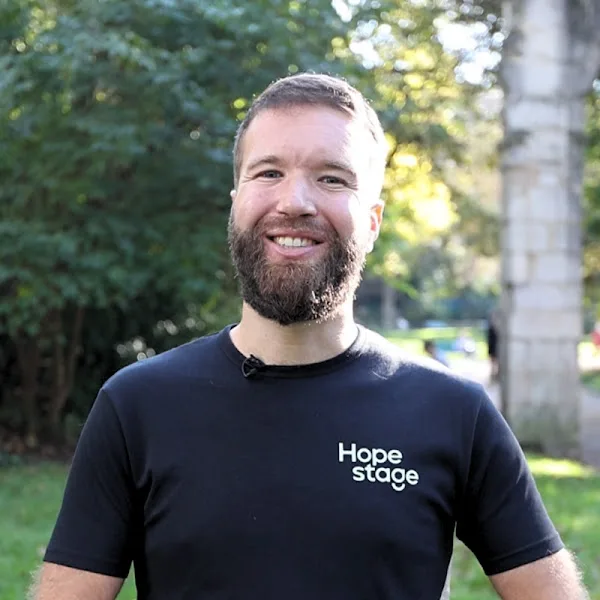
I’m Clément Baissat, founder of HopeStage, and I live with bipolarity. I created HopeStage to make mental health research more accessible.
Free for participants.
The directory draws on public registries including ClinicalTrials.gov, ISRCTN and ANZCTR. Definition reference: NIMH.
Examples checked against ClinicalTrials.gov on : NCT06367764, NCT06990191, NCT06925867, NCT06234969. Listed countries are where the registry shows sites. Recruitment can change and may vary by site.